
We invented a system designed to protect artists from harmful pollution.
Pollution Protector is a D.I.Y. Project created to save you from dangerous VOC pollution while creating art.

Research points
BAPCR - The British Association of Paintings Conservator-Restorers
Rose Green, Broomham Lane, Whitesmith, LewesMain source for current methods of avoiding VOC pollution, uses lots of solvent, making it a great testing ground for the sensor.
Camberwell Campus
45 to 65 Peckham Road, London SE5 8UFUAL Camberwell College of Arts studios our first testing ground.
Chelsea campus
16 John Islip Street, London SW1P 4JUOur second research sample.
Tate Britain
Millbank, London SW1P 4RGSpace to distribute and advertise our work with like-minded creatives.

Plus, in collaboration with Ambient Works
Prototype development
Concept & research
Researching the negative effect of painting emissions on health and identifying the form of pollution paints and solvents cause.
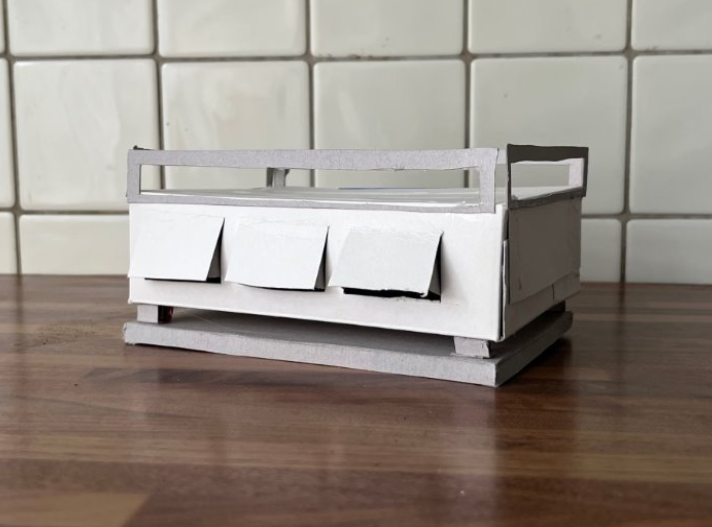
source Week 1First prototype
Cardboard cricut prototype developed.
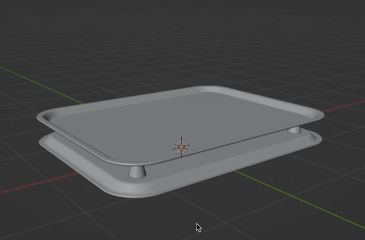
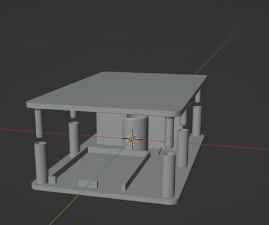
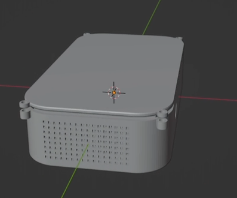
Week 23D print prototype
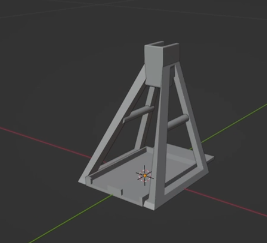
Prototype moved into 3D print
Week 3Coding the prototype
Creating code allowing the prototype to actually function
Week 4Testing the prototype
Making sure it functions correctly
Week 5Concepting an interactable element
Creating a variable indicator for the user to inform them of the pollution level
Week 6Interactable element fabricated
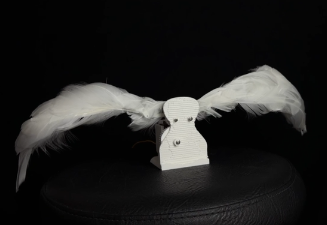
Interactable element developed into a real, usable product.
Week 7Finalizing the work
Interactable element created, and website finalized to showcase the work.
Week 8Process photos
Send us a message
Send us your own data to improve our work! We need your help to develop our hypothesis!